

Record Releases, Super Access
& Advertising
Practical guidance on three high-priority regulatory areas from the ADAQ Compliance & Advisory team.

A Regulatory and Compliance Highlight
As regulatory requirements and professional expectations continue to evolve across a number of areas, staying informed can assist you in managing day-to-day practice obligations and reducing regulatory risk.
Below is some general guidance and practical tips on a number of topics currently prominent at the moment and commonly raised with the ADAQ Compliance & Advisory Services team, for your information:
Record Release Requests – What Dentists Should Know

Requests for dental records are a routine aspect of dental practice and may be made directly by patients or by authorised third parties acting on a patient’s behalf. You should understand both what constitutes a dental record and the obligations relating to access, release, and storage of records.
Under ADA Policy Statement 5.17 – Dental Records, dentists are required to maintain clinically relevant, accurate, and contemporaneous dental records. Dental records are not limited to clinical treatment notes and may include:
- notes made by clinicians and staff;
- completed medical history forms;
- documentation;
- correspondence relating to the patient;
- telephone records;
- radiographs, tracings, and measurements;
- digital records, including CAD/CAM records;
- diagnostic images and reports;
- photographs and videos;
- records of financial transactions; and
- appointment records.
Under applicable privacy obligations, patients are generally entitled to request access to their dental records unless a specific exemption applies.
Patients may request their records be sent:
- directly to themselves;
- to another dental practitioner; or
- to another professional such as a lawyer or physiotherapist.
Key practical tips
- Release dental records in a timely manner and in accordance with applicable privacy obligations and record security requirements.
- Keep records of what was released, when, and to whom.
- Ensure records remain accessible during software transitions or practice changes.
- Avoid releasing records to third parties without patient consent.
Compassionate Release of Superannuation for Dental Treatment – Key Considerations and What’s New?
Patients may apply to access their superannuation on compassionate grounds for dental treatment, through the Australian Taxation Office (ATO).
As part of the application process, patients are generally required to provide:
- a quote (less than six months old) or invoice (less than 30 days old); and
- two medical reports.
For dental treatment applications, one report must be completed by a registered medical or dental specialist relevant to the treatment, while the second may be completed by either another registered medical specialist or a registered medical practitioner. Registered dentists and dental specialists may complete the “Report by Registered Medical Practitioner” form where appropriate.

The regulations require the treating practitioner to certify that the treatment is not readily available through the public health system. The treatment must also relate to:
- a life-threatening illness or injury;
- acute or chronic pain; or
- an acute or chronic mental illness.
When completing reports, you should ensure that all information provided is factual, clinically relevant, and based on your professional judgement. You should avoid including misleading statements or expressing support for an application where they do not clinically agree with the basis of the request.
The Dental Board of Australia has recently published a consumer-facing resource regarding compassionate release of superannuation (CRS) for dental treatment. The resource aims to inform consumers about what they should consider when seeking CRS for dental treatment, what they can expect from dental practitioners, and potential red flags to be aware of during the process.
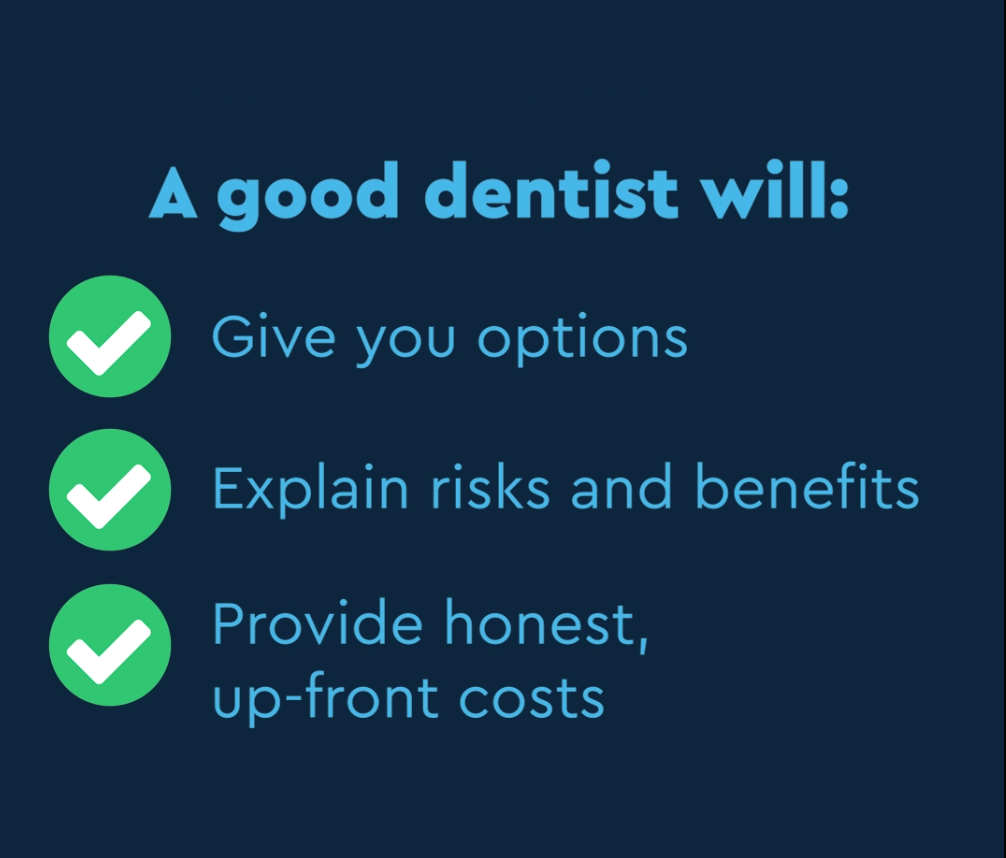
Ultimately, the decision to approve or refuse an application rests with the ATO, not the treating practitioner. Patients may also wish to seek further guidance directly from the ATO or an appropriately qualified third party assisting with the process.
Advertising Compliance – Is Your Practice Website and Social Media Up to Date?

Advertising of regulated health services continues to remain an area of significant regulatory focus for Ahpra and the National Boards. You should ensure that all advertising material, including websites and social media content, complies with both the Guidelines for advertising a regulated health service and the Guidelines for advertising higher risk non-surgical cosmetic procedures.
Higher Risk Non-Surgical Cosmetic Advertising – What Does This Include?
Examples of higher risk non-surgical cosmetic procedures may include dental veneers and cosmetic injectables. Ahpra notes that advertising of these procedures must be balanced, realistic, and informative, and should not exploit patient vulnerabilities or create unrealistic expectations.
Key Advertising Tips
You should consider the following when reviewing your advertising material:
- ensure information is accurate and supported by acceptable evidence;
- avoid using terms such as “specialist” where specialist registration is not held;
- avoid testimonials, patient stories, or reposting patient reviews;
- avoid claims regarding confidence, self-esteem, or psychological benefits that cannot be substantiated; and
- ensure it clearly reflects that treatment outcomes, risks, and recovery may vary between individuals.
Remember – Social Media Is Advertising
Ahpra considers many forms of social media activity to constitute advertising, including reposting patient content, responding to reviews, or using promotional before-and-after imagery.
Regulatory Risk
Ahpra has published visual examples and practical guidance documents to assist you in reviewing advertising compliance. Non-compliance with advertising obligations may carry significant regulatory risk, including potential financial penalties and disciplinary action.
We Are Here When You Need Us
If you have any questions regarding your professional obligations, regulatory requirements, or simply seeking guidance, the ADAQ Compliance & Advisory Services team is here to support you.
(07) 3252 9866 · assist@adaq.com.au · Compliance & Advisory Services
Please note this advice is general in nature. We recommend you contact ADAQ or your PI provider for specific advice and assistance.
Practising Alone Doesn’t Have to Mean Being Unsupported
ADAQ’s Specialist tele-advice service for rural membersFor many rural and regional dental practitioners, professional independence is both an advantage and a barrier. You may be the sole clinician in town and the trusted provider for a community. However, you may also feel professionally isolated at times.
Clinical uncertainty is not a reflection of competency, it is a natural part of dentistry and professional development, particularly when you are working at distance from specialist services. When complex cases or questions arise, access to timely peer or specialist advice can make a critical difference, not only to patient outcomes but also to your own confidence, wellbeing, and professional satisfaction.
Recognising this, ADAQ introduced a specialist support service exclusively for rural and regional members in 2025.

ADAQ offers regional members access to both a Consultant Oral and Maxillofacial Surgeon and Endodontist via a 30-minute tele-consultation each membership period. This service is designed to support dentists with non-patient specific clinical queries, helping you think through complex scenarios, confirm management approaches, and gain specialist insight when it matters most.
It’s important to note this service does not replace the need for formal patient referrals where these are clinically indicated. Instead, it’s intended to provide an additional layer of professional support, particularly valuable in situations where clarity, reassurance, or specialist peer advice can help guide safe and confident practice.
Supporting Clinical Confidence and Professional Wellbeing
Beyond clinical decision-making, professional isolation can take a quiet toll. Rural dentists often report increased stress related to complex cases, fear of missing subtle signs, and the emotional burden of being “the final decision-maker.”
Having structured access to specialist advice can:
- Reinforce sound clinical judgement
- Reduce cognitive load and decision fatigue
- Support risk management and documentation
- Enhance confidence in patient discussions
- Improve professional wellbeing and job satisfaction
In short, it reminds rural practitioners that they are part of a broader professional community.
Members also have access to our Member Assistance Program (MAP). As part of our commitment to members and your wellbeing we have partnered with the workplace wellbeing experts at The Wellness Workshop to provide you with a range of wellness services called the Member Assistance Program (MAP), which you can access here: https://www.adaq.org.au/MAP
How to Access the Specialist Tele-Advice Service
ADAQ rural and regional members are entitled to one complimentary 30-minute specialist tele-consultation per membership period.
To access the service:
- Contact the ADAQ Compliance & Advisory Services team with your query.
- The team will assess whether the query is appropriate for this service.
- Where suitable and subject to availability, a consultation with the Consultant Oral and Maxillofacial Surgeon will be scheduled.
- If your query falls outside the scope of this service, the ADAQ team will guide you to the most appropriate source of advice or support.
You may practise independently, but you should never feel professionally alone. Please contact the ADAQ Compliance & Advisory Services team if you have any queries or if we can be of assistance.
(07) 3252 9866 · assist@adaq.com.au · Regional Membership · Compliance & Advisory Services
Thinking About Using Your Super for Dental Treatment? Here’s What You Need to Know
Accessing your superannuation early for dental care might seem like an easy solution, but it’s important to understand the risks and your rights before you decide.
Under Australian law, you can apply for compassionate release of superannuation (CRS) through the Australian Taxation Office (ATO) to pay for medical treatment that is necessary to treat a life-threatening illness or injury, or to alleviate acute or chronic pain or mental illness. Some dental conditions may qualify, but not all. Cosmetic procedures that aren’t medically necessary to treat an illness or injury, relieve pain or to help manage a mental illness aren’t eligible for CRS.
Before you make any decisions, here are a few steps you can take to make sure dipping into your super is the right choice for you:
- Check out the Dental Board of Australia’s new guide to compassionate release of super.
- Get independent financial information or advice. Your dentist should talk to you about the cost of your treatment, but they cannot give financial advice. You can speak to a licensed financial adviser or use free services like ASIC’s Moneysmart or Centrelink’s Financial Information Service.
- Ask questions. Don’t feel pressured to use your super just because your dentist suggests it. Get a second opinion and ask about alternative, more affordable options.
- Understand the costs. Make sure you know the full cost of treatment, any ongoing maintenance costs, and whether upfront payment is really necessary.
- Check your eligibility. Visit the ATO website to confirm the rules and requirements for CRS.
Dentists are one of the most trusted professions. They are highly skilled, ethical and you can be confident they will take good care of you. But, with the rise in the number of Australians accessing their super early, it’s helpful to know the warning signs that can help you spot if your dentist isn’t meeting professional standards.
Red Flags to Watch Out For
- Dentists advertising CRS as an easy way to pay for treatment.
- Requests for your MyGov login details. You should never give out your MyGov details to anyone.
- Charging fees to help with CRS paperwork. Dentists are not registered tax agents, and it’s always a good idea to be wary of businesses who charge to fill in your application.
- False reports to the ATO – this is illegal and could leave you liable.
If something doesn’t feel right, stop and seek advice. You can also make a complaint if you’ve had a bad experience with a dental practitioner. Visit the Dental Board of Australia website for more information and to read the full consumer resource.