

Future-Ready Dentistry,
Cambodia & the Bagel
Patient stories from the ADA Dental Health Foundation, volunteer spotlights, and a sharp opinion on professional ethics.
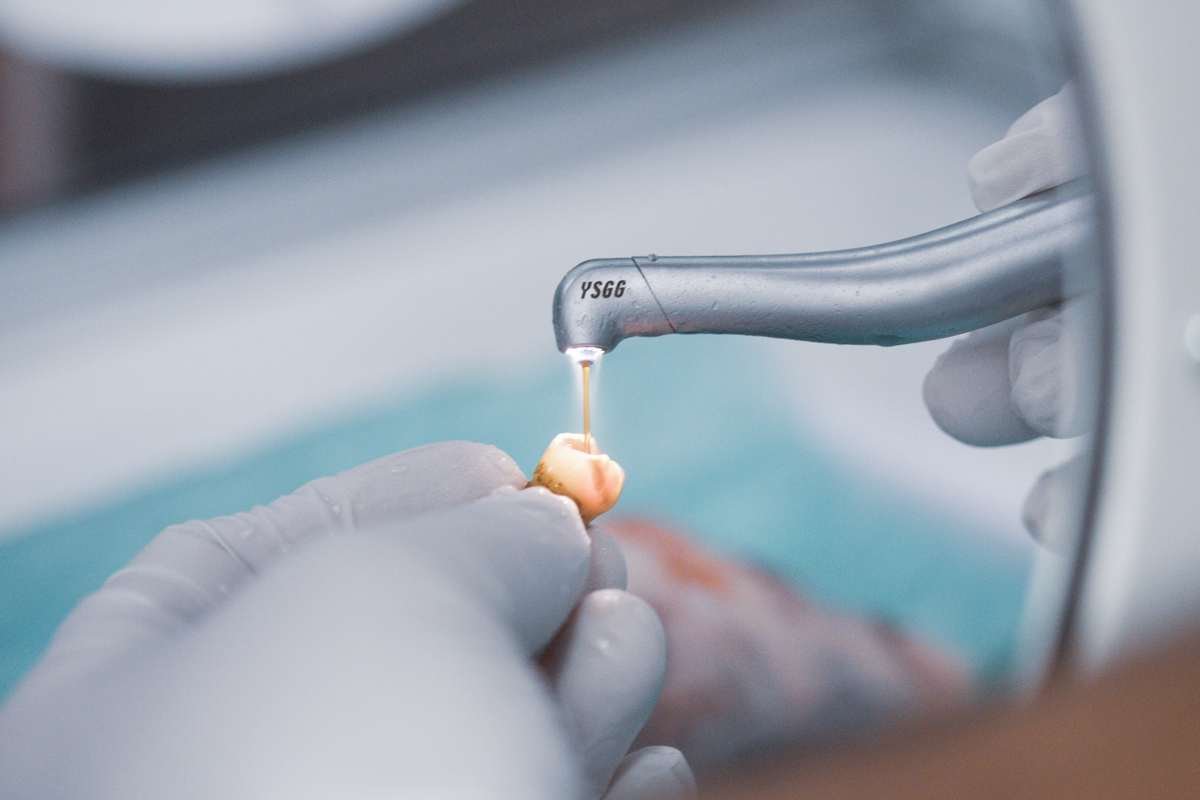
Future-Ready Dentistry: Restoring More Than Smiles
In conversations about the future of dentistry, the focus often centres on digital workflows, artificial intelligence, preventive technologies, and evolving clinical techniques. Yet some of the most important advances in modern dentistry are not measured in scanners, software, or materials. They are reflected in something far more human: the ability of dentistry to restore confidence, opportunity, and quality of life.
Feedback from patients treated through the ADA Dental Health Foundation highlights a growing reality for the profession. Oral health care is increasingly intertwined with employability, mental wellbeing, social participation, and long-term life outcomes. For many vulnerable Australians, dental treatment is not simply healthcare; it is a turning point.
A recurring theme across patient experiences is the profound relationship between oral health and self-confidence. One patient described treatment as providing “the clean slate needed to move forward,” explaining that chronic discomfort and embarrassment had become constant distractions from daily life and future ambitions. Another reflected on the impact dental issues had on social interactions, noting they had stopped smiling and laughing openly because of anxiety about their appearance.
Pain, missing teeth, and visible oral health problems can quietly influence a person’s employability, relationships, communication, and mental health. Patients may withdraw socially, avoid interviews, or struggle with self-esteem long before they seek care.

For dental professionals, this creates an important shift in perspective. Future-ready dentistry is not solely about treating pathology. It is about understanding the broader human implications of oral disease and recognising the role the profession plays in restoring participation and dignity.
Importantly, the patient responses also reveal what people value most during treatment. Technical outcomes matter, but emotional safety and trust appear equally transformative. Both individuals repeatedly referenced feeling “supported,” “non-judgemental,” and genuinely cared for by volunteer clinicians and their teams.
The volunteer teams involved in these programs appear to have created environments where patients felt respected rather than judged. For one patient, simply knowing the dental team was “in their corner” became a meaningful part of the recovery process. Another described the entire experience as “efficient and stress free,” despite entering treatment with significant apprehension.
For the profession, these accounts offer a reminder that the future of high-quality dentistry will be defined not only by innovation, but also by empathy. Technology may improve workflows and diagnostics, but trust remains the foundation of patient care.
The broader implications for workforce participation are equally significant. Patients directly linked their improved oral health to renewed confidence in interviews, career prospects, and social engagement. One individual explained that, after treatment, they could finally focus fully on their goals instead of managing ongoing discomfort and insecurity.
This connection between oral health and economic participation deserves greater attention across healthcare policy and professional advocacy. Dentistry is often discussed as separate from broader health systems, yet patient experiences consistently demonstrate how oral health influences employability and social mobility.
When individuals regain the confidence to smile, speak openly, and participate fully in professional settings, dentistry becomes part of a much larger story — one involving community wellbeing, workforce readiness, and social inclusion.
Volunteer dental initiatives also highlight another critical issue facing the profession: access to care. Many patients entering charitable programs have delayed treatment for years due to financial barriers, fear, or competing life priorities. By the time they access support, oral disease may already be affecting multiple aspects of daily life.
Programs delivered through the ADA Dental Health Foundation demonstrate the profound impact the profession can have when access barriers are reduced. Beyond relieving pain, these services can restore confidence, stability, and hope.
For dental professionals, there is a growing opportunity to think more broadly about what “future-ready” practice means. Clinical excellence remains essential, but the future of dentistry will also require adaptability, social awareness, and a stronger integration of oral health within wider wellbeing conversations.
Patients themselves may express this most clearly. When asked about the most meaningful change following treatment, one person simply described “peace of mind.” Another spoke about the freedom to smile and laugh daily “without worry.”
These are not minor outcomes. They are life outcomes that change lives.
Dentistry Without Borders: Dr Petrina Jobson’s Lasting Impact in Cambodia
For almost two decades, Dr Petrina Jobson has been quietly transforming lives far beyond the walls of her dental practice. Since 2006, she has played a leading role in establishing and supporting a dental clinic in Sihanoukville, Cambodia, delivering essential oral health care to children and families living in extreme poverty.
What began as a commitment to helping underserved communities has grown into a long-standing volunteer initiative that continues to inspire dentists and students alike. The clinic now provides a valuable opportunity for final-year dental students from universities across Queensland, Melbourne, and La Trobe to gain hands-on experience in a vastly different healthcare environment while giving back to those who need it most.
Under the guidance of experienced volunteer dentists, students are exposed to the realities of community-focused dentistry, often treating patients who have had little or no previous access to oral healthcare. For many, the experience becomes far more than a clinical placement. It is a chance to develop confidence, cultural awareness, and a deeper understanding of the role dentistry can play in improving quality of life.
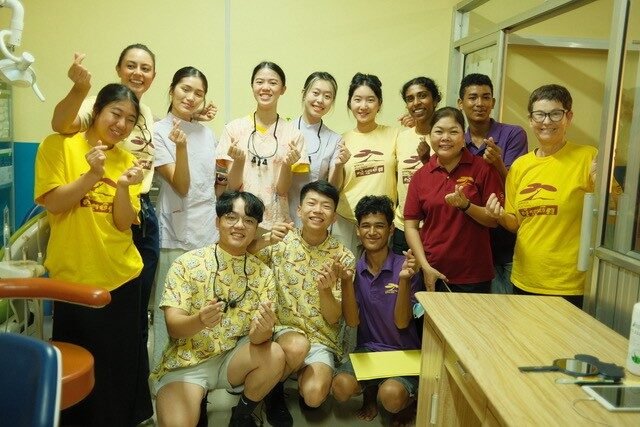
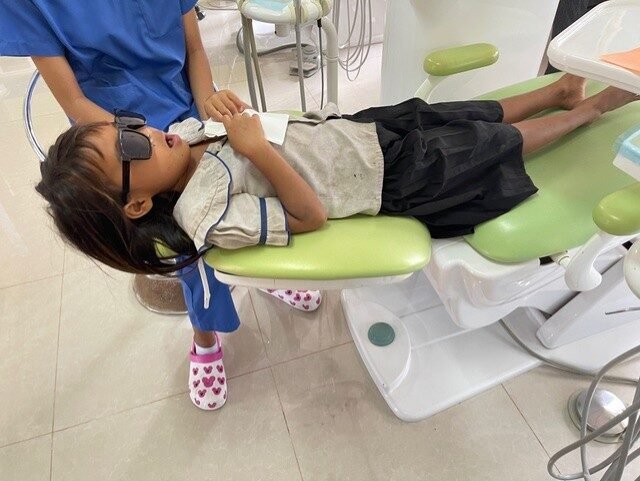
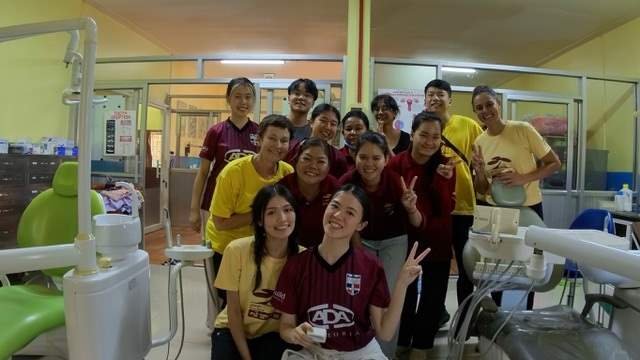
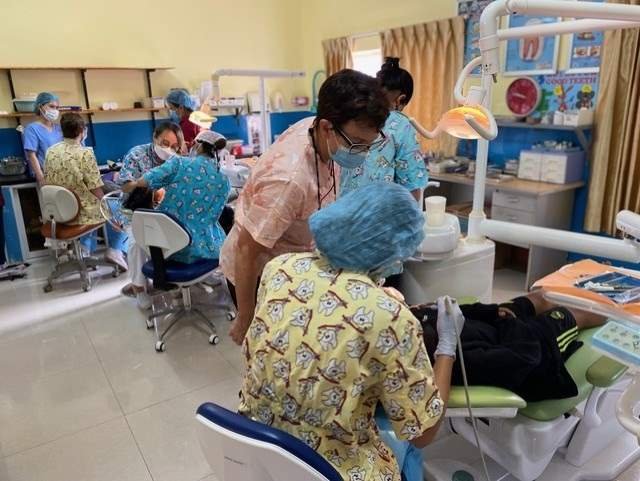
Many students return after graduation to continue volunteering, a reflection of the lasting impact the program has on both patients and practitioners. Through these ongoing contributions, the clinic has become not only a source of care for local communities, but also a powerful learning experience for Australia’s next generation of dentists.
Dr Jobson’s dedication is a reminder that dentistry extends well beyond clinical practice. Through compassion, education, and service, her work continues to create meaningful change for communities in Cambodia while inspiring young dentists to use their skills to make a difference around the world.
Let Bagels Be Bagels: On Dentistry, Character, and the Risk of Sweetening the Truth

In his 1999 New York Times essay, Bagels vs. Doughnuts, William Safire contrasted two baked goods. The bagel was serious and substantial while the doughnut was sweet, soft, and greasy. Yet, in reaching for a wider audience, the bagel sacrificed its character, sowing the seeds of its own decline.
Dentistry, once widely regarded as a noble profession, operated on a simple principle: look after the patient, and all else follows. That’s the bagel, authentic and principled. Increasingly, it’s becoming the doughnut, indulgent and driven by short-term gain.
The last two decades have seen rising commercial pressures: more competition, higher costs, and evolving patient expectations. Younger dentists face significant debt. Cost of living pressures continue to rise. The appeal of the doughnut is not surprising.
Social media invites comparison between our daily reality and the curated highlights of others. Dentists are lured by presenters with the gift of sound and vision. In turn, some spam patients with ads for veneers and smile makeovers on Facebook and Instagram, and seduce them with staged videos of people overjoyed by their new smiles.
Making money and maintaining ethical behaviour are not mutually exclusive, but when personal gain drives clinical decisions, we become something closer to a used car salesperson than a health professional.
We work within a system that incentivises choices not always aligned with patients’ long-term interests. How we respond defines our character. Of concern are those within our profession who exploit these systemic incentives.
Behaviour once unthinkable is becoming normalised, with emphasis shifting from patient-centred care to “selling treatment”. Treatment decisions are driven by production targets rather than clinical need, a trend reinforced by “business consultants”.
Replacing sound tooth structure with extensive restorative materials, often causing previously healthy teeth to require root canal treatment. The removal of maintainable teeth for full-arch implant bridges. Pressuring recent graduates to undertake complex treatment beyond their experience. Internal competitions to see who can do the most crowns in a month. Predatory practices to inappropriately access patients' super for dental work which is being scrutinised by the ATO and Ahpra. For some, this is their business model, not unlike the rorts that ended the Chronic Disease Dental Scheme in 2012.
Dentists share disturbing accounts from courses: one presenter told attendees it is acceptable to convince patients they need treatment in order to practise on them; another touted a treatment's advantage as “good at making a lot of money quickly” before pointing to their $1,200 Gucci shoes.
Promotional emails ask, “Are you sick and tired of drilling all day long and not having anything at the end of the day to show for it?” Another course advertised that their students were excelling with luxury cars and designer watches. It’s a doughnut disguised as a bagel.
This is not an argument against success or ambition. It is an argument against mistaking the doughnut’s sweetness for the bagel’s substance.
Good, honest dentistry done right delivers excellent long-term value to patients, remains profitable without compromising ethics, and is professionally fulfilling.
Do you love what you do, money aside? Would you be happy for a family member to receive the treatment you recommend?
Are you choosing a path of character?
Novak Djokovic once said, “I can carry on playing at this level because I like hitting the tennis ball.” When pressed on whether there were players who don’t, he continued: “There are people out there who don't have the right motivation. I can see it.”
The same is true in dentistry. You can see it. What happens when motivation is financially driven? How much is the doughnut costing patients? How much is it tarnishing the profession?
To practise dentistry is a privilege. Our role in society is to look after teeth, and more importantly, the people they belong to. Doing right by the community builds trust and rewards us financially. Taking the former for granted while chasing more of the latter is sowing the seeds of our own decline.
The profession is not defined by its worst actors. We can each decide what we stand for and whether we actively resist the drift toward the doughnut.
The choice is clear. Let bagels be bagels.
We owe it to our patients. We owe it to our profession. And we owe it to ourselves.