
Tachae Douglas-Miller, Larissa
— and Stories from the ADAQ Team
A graduate dentist pursuing OMFS, the Compliance team manager, and more member voices from across Queensland.
Member Spotlight: Tachae Douglas-Miller
Recent UQ dental graduate, first-year medical student, and aspiring oral and maxillofacial surgeon.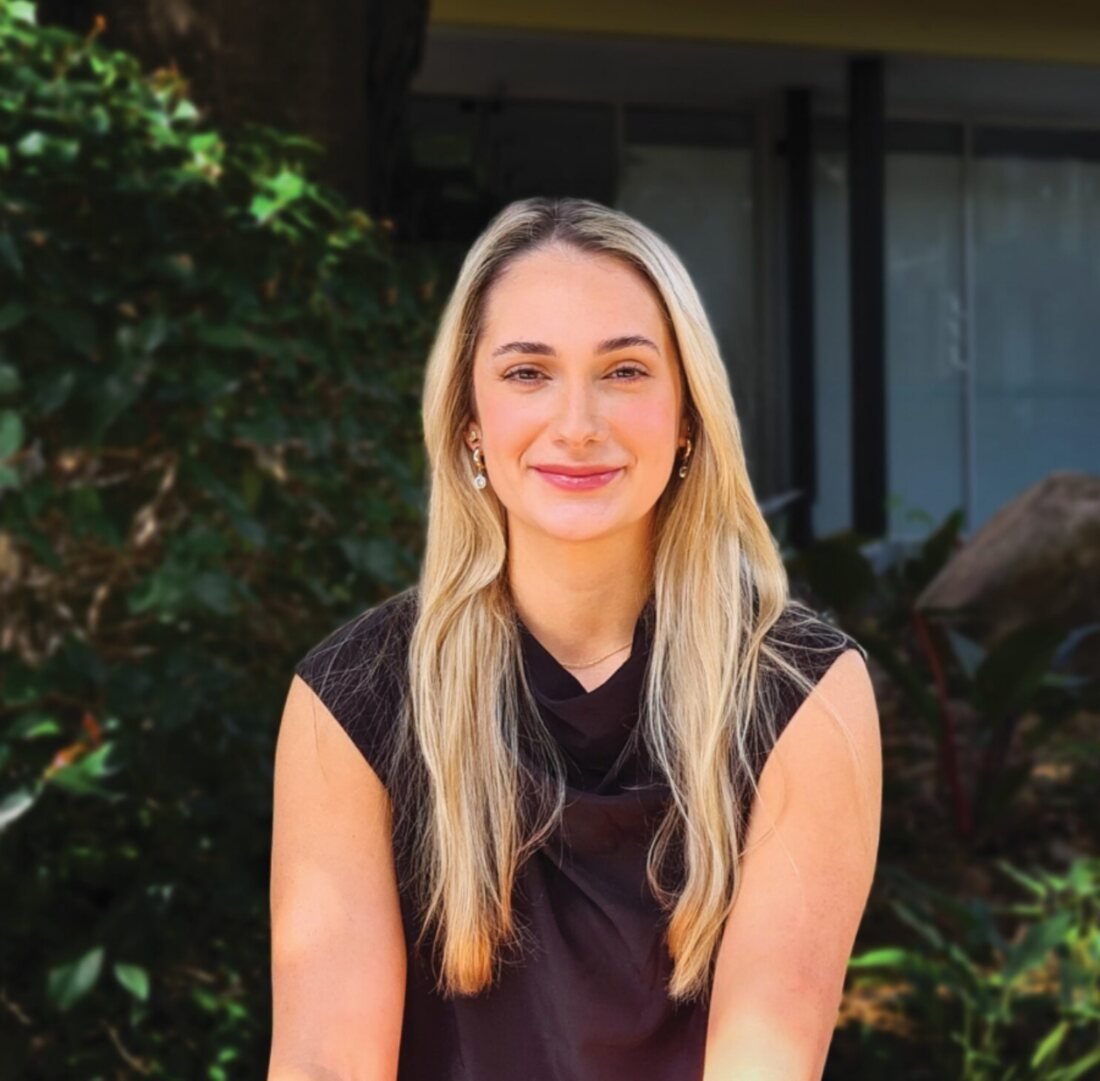
1. Can you introduce yourself and share what first inspired you to pursue dentistry, and what your journey through dental school has been like?
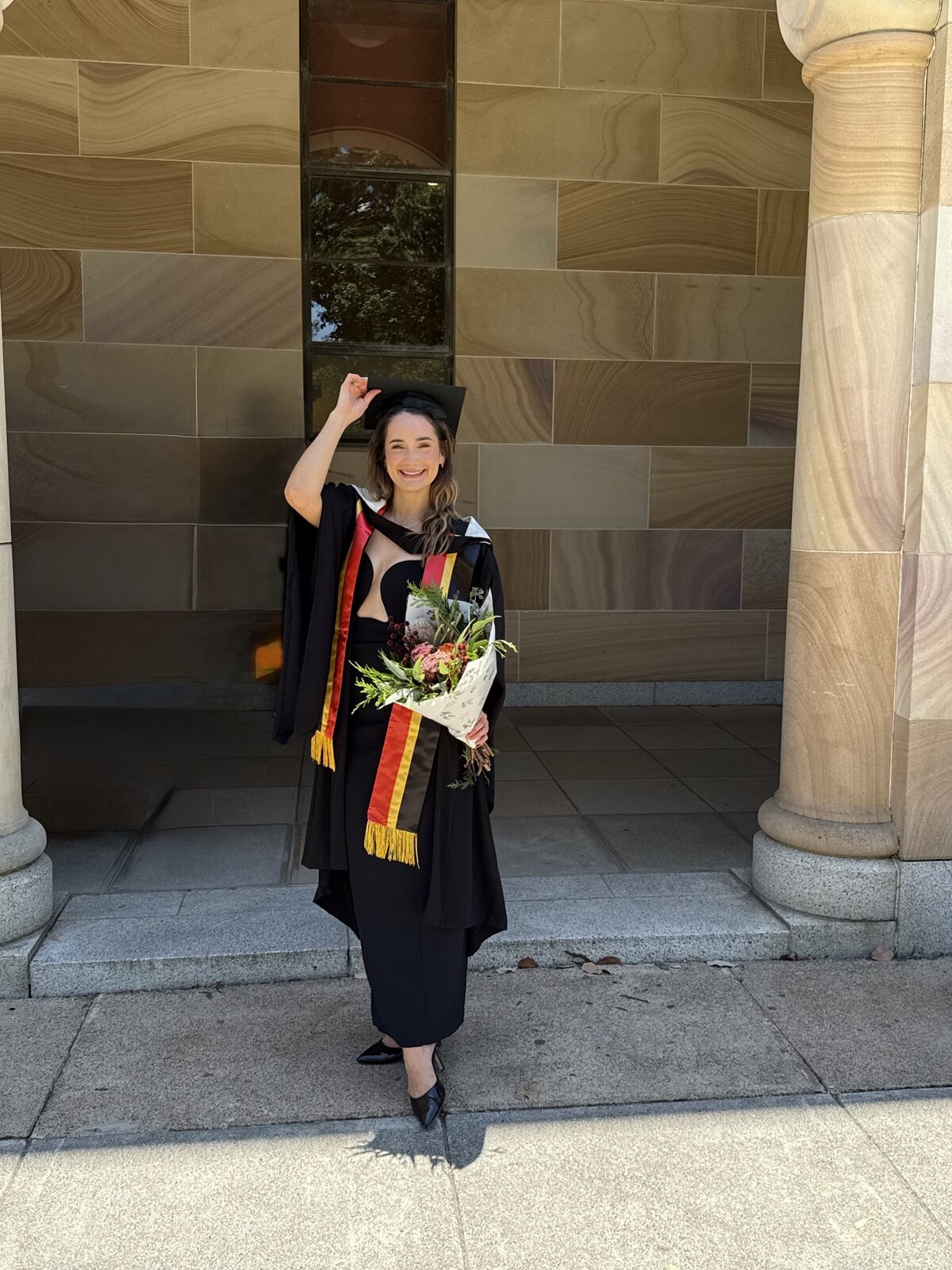
I’m Tachae Douglas-Miller, and I recently graduated from dentistry at The University of Queensland. I’m currently working as a graduate dentist while also in my first year of medicine, with the long-term goal of pursuing oral and maxillofacial surgery.
My interest in dentistry actually started really young. I was always fascinated by healthcare and anatomy as a child, but for some reason I became particularly fascinated by tooth anatomy. I used to make tooth jewellery and was genuinely obsessed with learning about teeth.
That interest became much more serious when I started working as a dental assistant. Being in practice and seeing the patient side of dentistry really cemented that this was something I could see myself doing long term. I loved the combination of science, hands-on work, and patient interaction.
During dental school, I was exposed to Oral and Maxillofacial surgery rotations, and that completely expanded my perspective of the profession. I realised I was really drawn to the integration of medicine, dentistry, and surgery within one specialty, which ultimately led me toward pursuing medicine as well.
2. Looking back on your time at university, what were some of the most challenging and rewarding moments that shaped you as a future clinician?
As an Aboriginal woman studying dentistry, my experience at university became about a lot more than just learning clinical skills.
I think studying healthcare while also navigating the system as an Indigenous student made me look at patient care very differently. It made me aware of how important cultural safety is, not just as a concept we talk about at university, but in the way patients actually feel when they walk into a clinic.
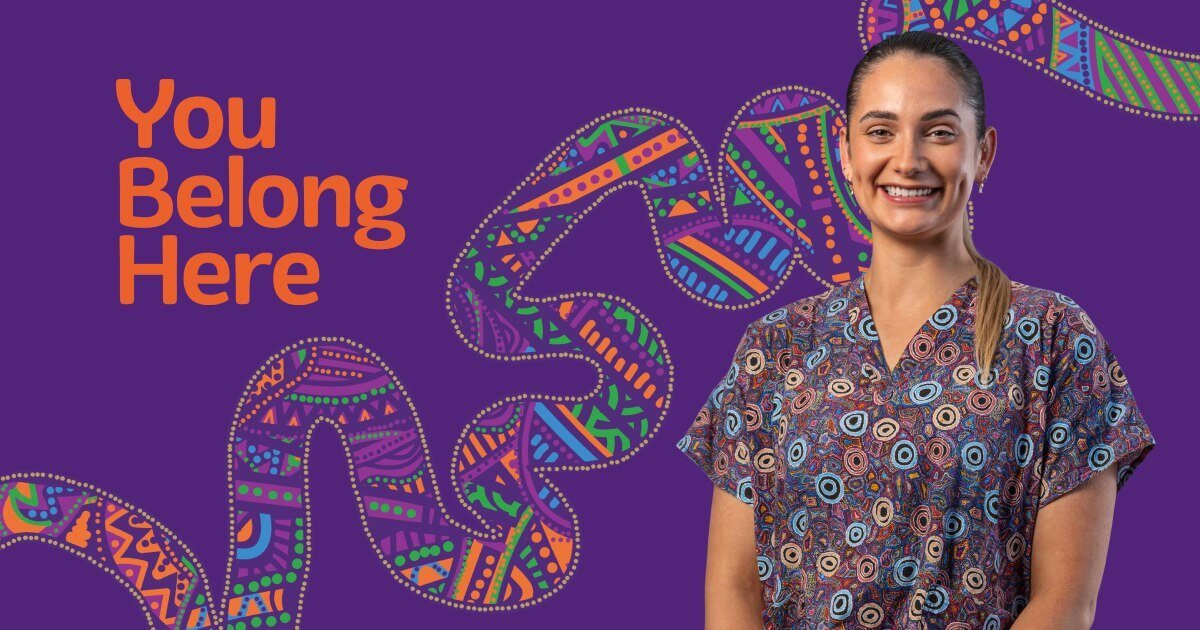
One of the most rewarding parts of my degree was my honours research project, which looked at the cultural safety and cultural competence of dental practitioners and staff within Metro North Oral Health Services. I loved that project because it pushed me to think beyond the technical side of dentistry and really consider what makes patients feel safe, respected, and genuinely listened to.
I think that experience shaped me massively as a future clinician. It reinforced that good healthcare is about far more than technical ability; it’s about communication, trust, humility, and understanding the experiences people bring with them into healthcare spaces.
University had its challenges too. Dentistry can be pretty intense academically and emotionally, and balancing that alongside leadership and advocacy roles was sometimes overwhelming. But looking back now, I think those experiences gave me a much stronger sense of purpose and the kind of clinician I want to become.
3. Were there any mentors, clinical experiences or turning points during your studies that influenced your time at university?
I was really lucky to have mentors throughout dental school who genuinely encouraged me and challenged me to think bigger about what I wanted from my career.
I think one of the biggest turning points for me was exposure to oral and maxillofacial surgery during my clinical rotations. Up until then, I loved dentistry, but OMFS completely changed the way I viewed the profession. I was fascinated by the complexity of the specialty and the way it integrates medicine, surgery, dentistry, and facial reconstruction all within one field.
At the same time, being involved with the Aboriginal and Torres Strait Islander Unit and Indigenous student community at UQ had a huge impact on me personally. Having spaces where I felt supported culturally and academically made such a difference during a pretty demanding degree.
I also think seeing clinicians who were not only technically excellent, but genuinely compassionate and patient-centred, really influenced the kind of clinician I want to become.
4. You’re now in your first year as a practising dentist. How has the transition from student to clinician been for you?
It’s definitely been a huge transition, but also really exciting.
As a student, there’s always a safety net, supervisors checking your work, discussing treatment plans with you, and guiding decisions. Then suddenly as a graduate, you realise the responsibility sits with you, and that can feel pretty daunting initially.
I think one of the biggest adjustments has been building confidence in my own clinical judgement and learning to trust myself more. At the same time, it’s been incredibly rewarding finally being able to treat patients independently and develop my own communication style as a clinician.
5. What aspects of general practice have surprised you most since graduating, and what skills have you found most valuable in your day-to-day work?
I think what surprised me most about general practice was how unpredictable every day is. At university, cases can sometimes feel quite structured, but in practice you’re constantly adapting to different patients, personalities, emergencies, and expectations.
I’ve also been surprised by how important communication is. I think before graduating, you assume the technical side will be the hardest part, but a huge amount of dentistry is actually about listening well, building rapport, and helping patients feel safe and understood.
The skills I’ve found most valuable are adaptability, communication, and staying calm under pressure. Especially as a new graduate, you’re constantly learning, so being comfortable asking questions and reflecting on your experiences has been really important too.
6. What have been some of the biggest challenges in your first year, and how have you approached overcoming them?
I think one of the biggest challenges has probably been overcoming self-doubt and adjusting to the responsibility that comes with being a clinician.
As a new graduate, there’s definitely moments where you question yourself or feel pressure to know everything immediately. But I’ve learnt pretty quickly that good clinicians aren’t the people who never ask for help, they’re the people who are willing to keep learning.
Balancing work alongside starting medicine has also been a challenge at times, particularly managing time and avoiding burnout. I’ve had to become a lot more intentional about balance, routine, and giving myself permission to still be learning.
7. You have aspirations to become a maxillofacial surgeon. What sparked your interest in this pathway?
My interest in oral and maxillofacial surgery really developed during my clinical rotations throughout dental school.
I loved that it sat at the intersection of medicine, dentistry, and surgery, because I’ve always been interested in all three areas. I was fascinated by the complexity of the head and neck region, but also by the diversity of the specialty itself.
What also really drew me in was the impact OMFS can have on both function and quality of life. A lot of the work is obviously technically demanding, but there’s also such a strong human side to the specialty. I think that combination of technical skill, problem-solving, and patient care is what made me realise it was a pathway I genuinely wanted to pursue.
8. Now that you’ve decided to pursue maxillofacial surgery and are in your first year of medicine, how are you going so far on this journey?
It’s definitely been challenging, but I’m genuinely really enjoying it so far. It’s pushed me outside my comfort zone academically, but I think dentistry gave me a really strong foundation in anatomy, communication, clinical reasoning, and patient-centred care.
At the moment, I’m really trying to focus on enjoying the process rather than only thinking about the end goal. It’s obviously a very long training pathway, so I think maintaining perspective and staying curious is really important.
9. What do you anticipate will be the biggest challenges in balancing further study with clinical practice?
I think the biggest challenge will probably be maintaining balance over such a long and demanding training pathway.
Both medicine and dentistry are pretty intense individually, so trying to balance further study alongside clinical practice definitely requires a lot of discipline, time management, and self-awareness. I also think there can sometimes be pressure in healthcare to constantly push yourself academically or professionally, which can make balance difficult.
For me, I think it’ll be really important to stay connected to the reasons I chose this pathway in the first place and to make sure I still prioritise my wellbeing, relationships, and the things outside of work and study that keep me grounded.
10. Looking ahead, what are your hopes for your career over the next 5–10 years?
Over the next 5–10 years, I hope to continue developing as both a clinician and a person.
Long term, I’d love to pursue training in oral and maxillofacial surgery while continuing to contribute to improving culturally safe healthcare environments for Aboriginal and Torres Strait Islander patients.
I also hope to stay involved in mentorship and advocacy work. Throughout university and early practice, I’ve really seen the impact supportive mentors and representation can have on students, particularly Indigenous students entering healthcare, and I’d love to be able to give back in that space as my career progresses.
11. What advice would you give to current dental students or new graduates who are just starting out and considering specialist pathways?
I’d probably say not to put too much pressure on yourself to have your entire career mapped out straight away.
I think sometimes students feel like they need to know exactly what specialty they want to pursue from day one, but in reality, your interests often evolve through different clinical experiences and mentors you meet along the way.
Focus on becoming a really solid, well-rounded clinician first. Build good communication skills, stay curious, ask questions, and don’t be afraid to seek support when you need it.
I also think it’s important to remember that comparison can become really unhealthy in healthcare degrees. Everyone’s pathway looks different, and success doesn’t always happen in a straight line.
Most importantly, try to enjoy the process. Dentistry can be challenging, but it’s also an incredibly rewarding profession if you stay connected to why you started in the first place.
Fragile and Forever: A Celebration of Ceramics Across Time
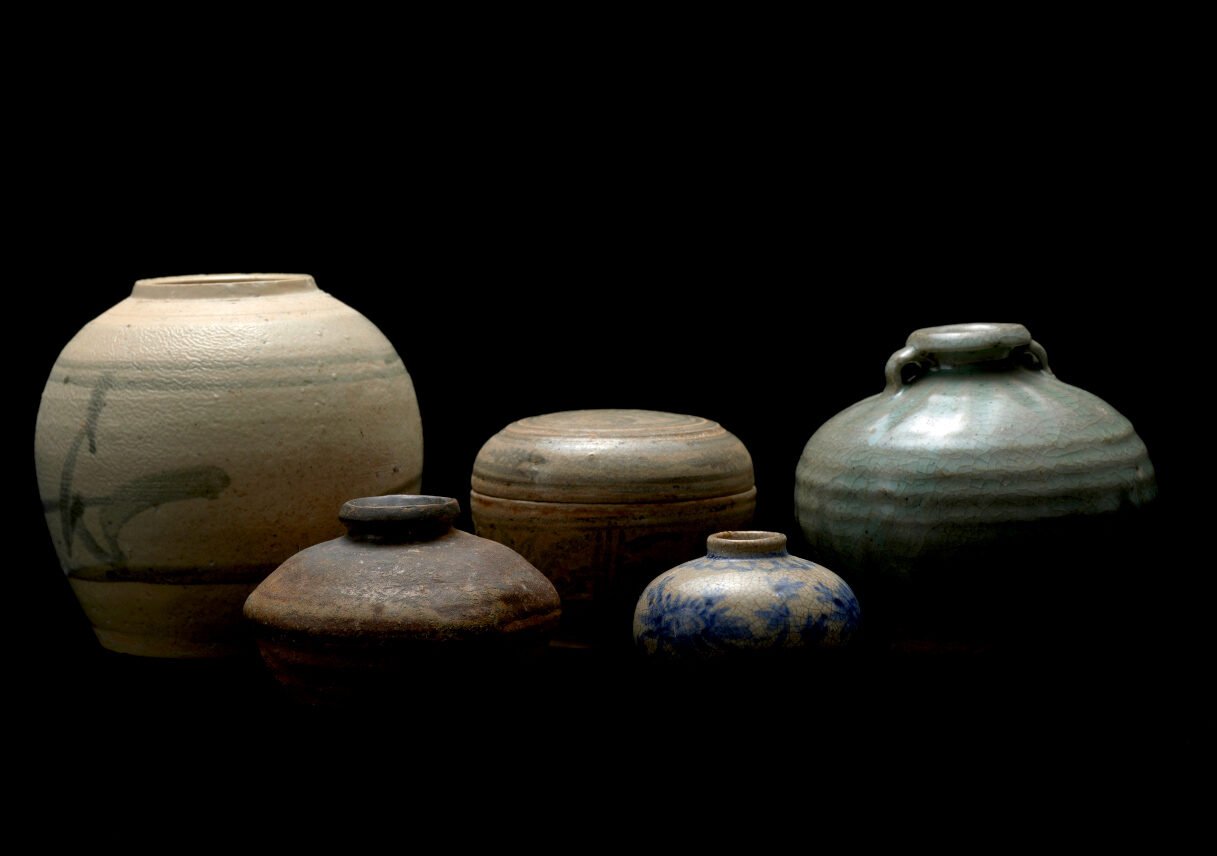
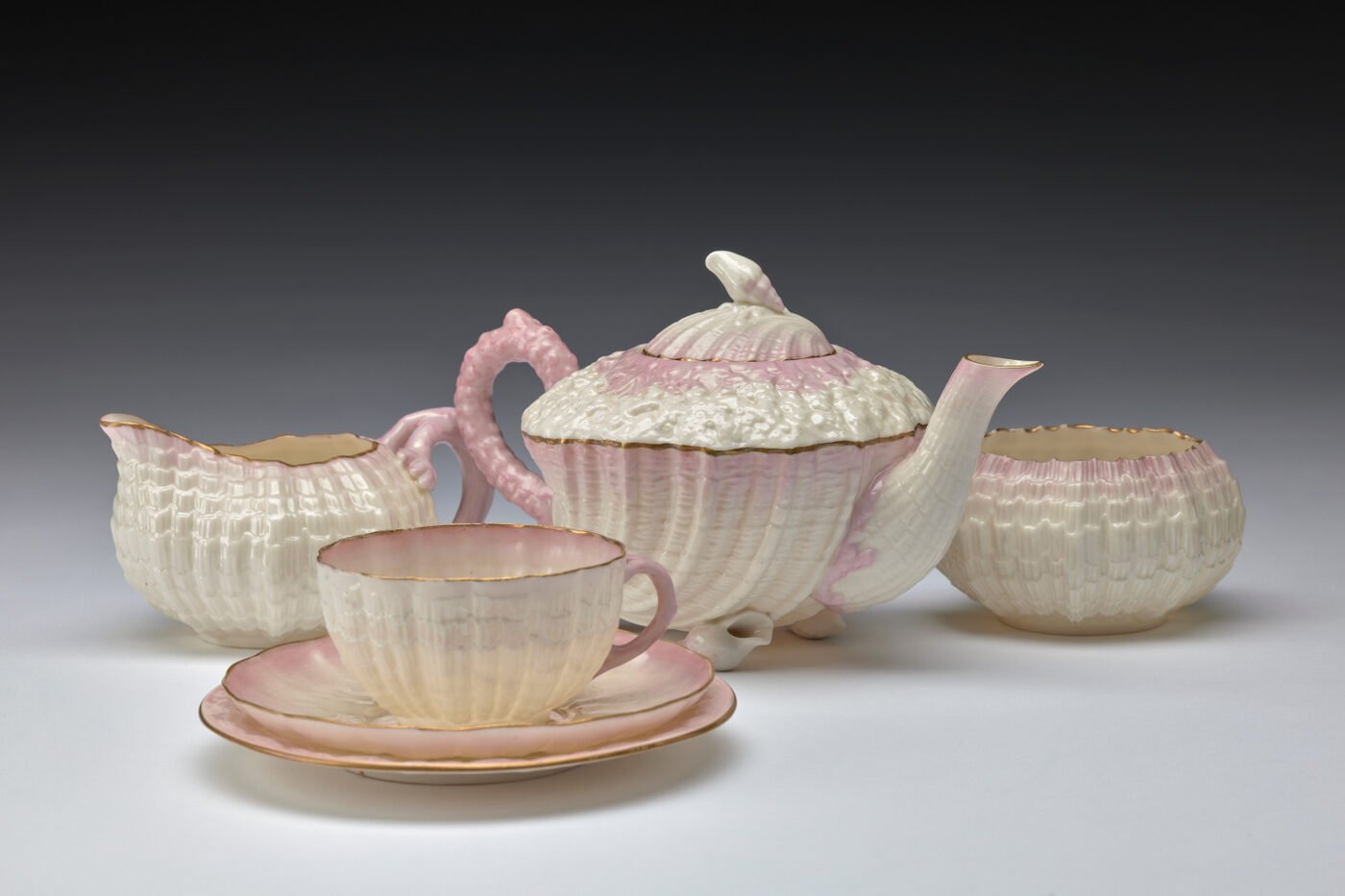
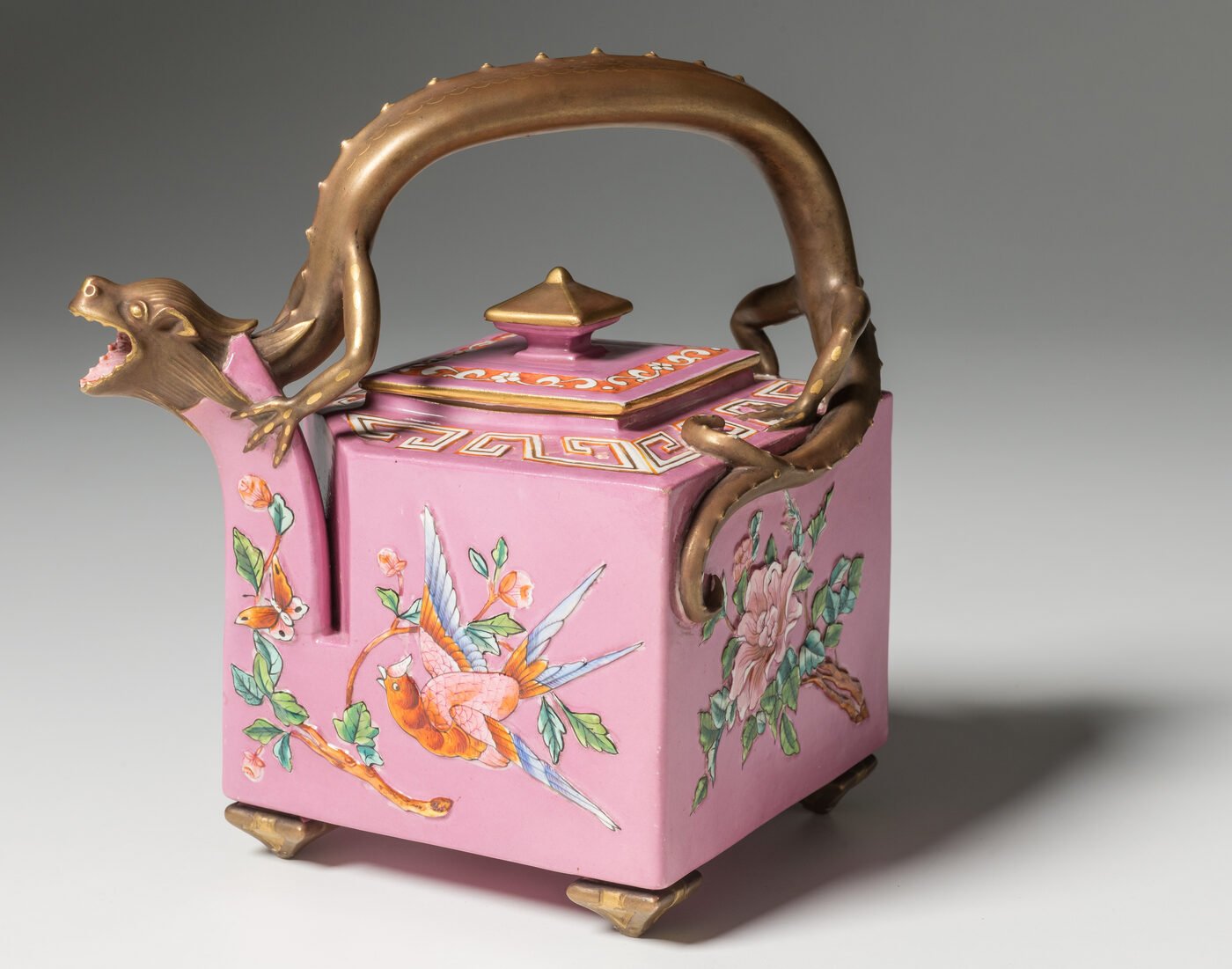
From ancient pottery fragments to contemporary artworks, Queensland Museum Kurilpa’s latest exhibition, Fragile and Forever, explores the enduring beauty and cultural significance of ceramics.
Opening Friday 29 May 2026, this free exhibition presents a rare opportunity to experience some of Queensland Museum’s remarkable ceramics collection, with many pieces displayed publicly for the first time.
Featuring almost 300 objects, the exhibition spans thousands of years, from ceramics crafted by Japan’s Jōmon people, to powerful contemporary pieces by First Nations artists, revealing stories of creativity, culture and resilience, highlighting the delicate yet lasting nature of ceramic art.
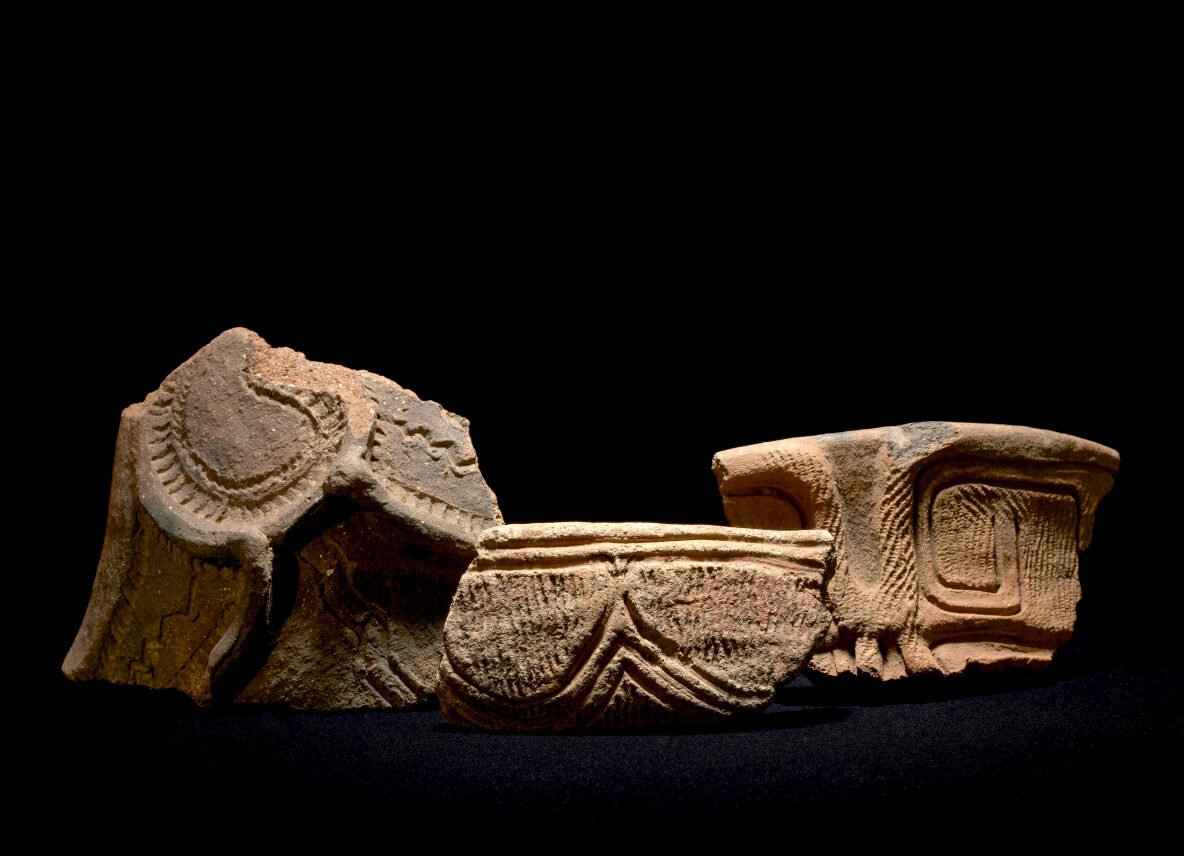
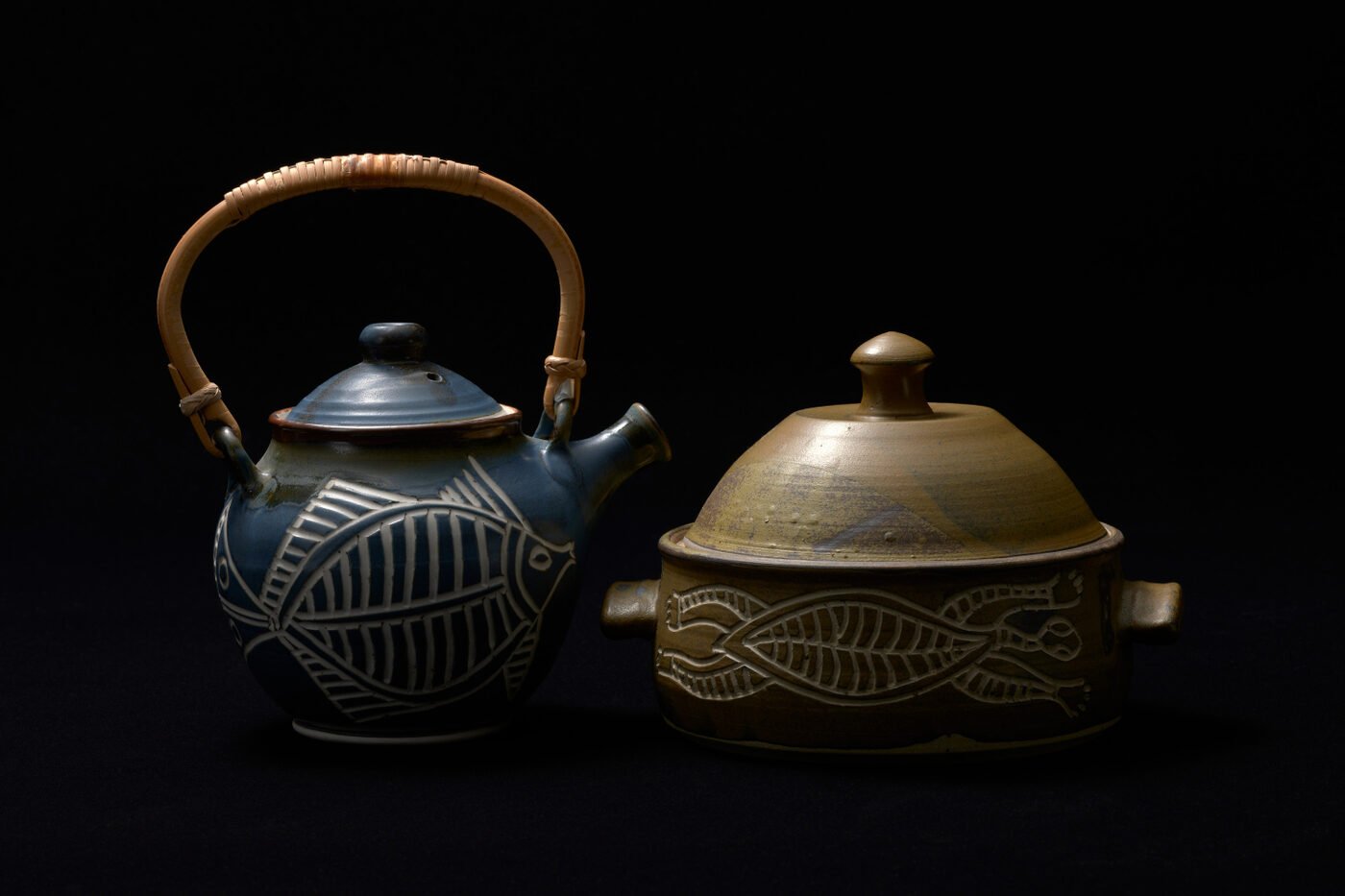
The exhibition also features artefacts from HMS Pandora and an eclectic collection of ceramics from around the world including Denmark, China, Egypt, England, Austria, Italy, Greece and Australia.
Queensland Museum CEO Renai Grace said the exhibition brings Queensland Museum’s ceramics collection to life, highlighting its richness and global reach.
“We’re excited to share this extraordinary collection with the community which includes many pieces that have never been displayed before,” Ms Grace said.
“Fragile and Forever reveals how objects carry stories across generations and cultures, connecting people through shared human experience.”
Minister for Education and the Arts, John-Paul Langbroek said the new exhibition will enable more people to engage with the unique and diverse collections held by the Queensland Museum.
“The Crisafulli Government supports Queensland Museum to preserve and showcase our collective history, stories and culture, while providing opportunities for Queenslanders and visitors to access the local and international arts and cultural experiences,” Minister Langbroek said.
“Exhibitions like Fragile and Forever deliver on our 10-year arts and culture strategy Queensland’s Time to Shine with programming that reflects our cultural identity and boosts our reputation as a world-class cultural destination in the lead up to 2032.”
Queensland Museum, Acting Head of Cultures and Histories Dr Geraldine Mate, said the exhibition offers a unique lens through which to view human history and artistry.
“Ceramics are more than objects, they are storytellers. They connect us to the past, reflect the present and inspire the future,” Dr Mate said.
“Fragile and Forever showcases the incredible diversity and resilience of ceramics, from pottery fragments thousands of years old, to contemporary artworks from celebrated First Nations artists, and invites visitors to reflect on their own connection to these timeless creations.”
Fragile and Forever is a FREE exhibition and opens Friday 29 May 2026 at Queensland Museum Kurilpa. For more information visit www.museum.qld.gov.au/kurilpa.
A History of Computers in Dentistry Through ADAQ News Archives
The Beginnings
In the 1960s and 1970s, Australian dentistry was a pretty traditional affair. ADAQ Clinic Days and CPD programs focused on conventional clinical skills: complete dentures, crown and bridge work. Changes in sedation for dentistry and the advent of new ‘tranquilisers’ (sic) were always a popular feature.
Record-keeping was still paper based; all aspects of practice administration relied on manual ledgers and filing systems, even referrals and prescriptions were handwritten letters.
In the mid-late 1970s, universities and libraries including health faculties began experimenting with early computer catalogues. Government agencies were also at the forefront of computer-based administration. The Registrar of the Dental Board advised dental practitioners that: ‘the records of my Board will be placed on computer from the beginning of 1974. […]’ it was a monumental change. It also meant the Board could no longer rely on a last known address and the magic of mail redirection to land fee reminders in the right place. Email addresses were not a thing yet. ‘The name of any person whose fee is not received by the latter date will automatically be removed from the Register by the computer, and may only be restored on application accompanied by a restoration fee, thus resulting in considerable inconvenience not only to the registrants but to the board’s staff.’ [The Dental Board Computer. ADAQ Newsletter, November 1973]. Just one year later, in 1975, ADAQ advises members: The Dental Board Computer has discovered a large number of unregistered dentists!
Meanwhile, ADAQ purchased its first office telephone in 1976, and employed its first full-time paid staff member to answer it.
At this stage computers were a distant, specialist tool that didn’t have any relevance to health, or proper clinical dental practice. Possibly a fad. An article on the subject in our ADAQ newsletter dated September 1978, even suggests that a ‘less glamorous approach of streamlining your old-fashioned typewriter and ledger card method may be cheapest’ and warns ‘ installation [of computer terminals] may take months’.
Admin before clinics
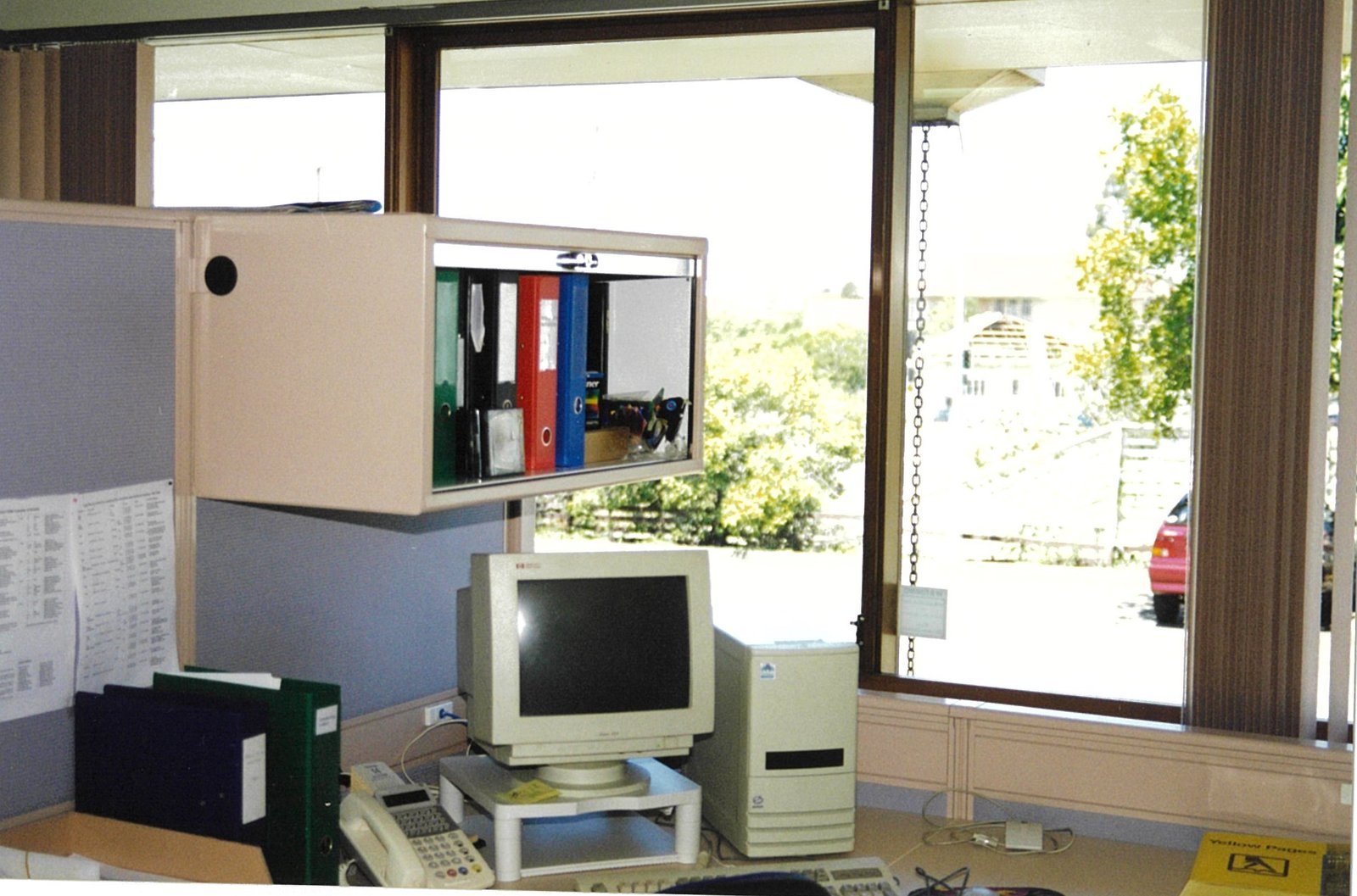
The 1980s saw the first few digital footsteps, not yet at chairside. Computer technology entered the average dental practice through general administration and records management. No longer a glamorous option to true and trusted paper methods, everyone now needed to study a basic course and learn about commercial computer systems as quickly as possible.
Dentists weren’t of course alone in navigating this steep learning curve. The Royal Australian College of General Practitioners (RACGP) even organised a full-on conference on Computers in Health (1981) for medics, pharmacists and dentists.
There was also a significant leap in compliance monitoring, when the Dental Board completed their digital records professional registrations. Fraudulent behaviours with dental funds became suddenly quite easy to spot with digital databases, prompting the Association to issue a Big-Brother warning to members of this improved accuracy and visibility:
Unfortunately it is necessary to again sound a warning that, although most of the horrors visualised by George Orwell as existing in 1984, have not yet eventuated, the concept of Big Brother could be held to exist in the form of the Computer, which is being deployed into an increasing number of situations, and which can produce a remarkable range of information with great rapidity. The present area of concern is that of Health Benefit Funds and the Federal Government’s determination […] to stamp out medical benefits fraud by practitioners…[…] Computer profiles of dentists are not being scrutinised… (ADA Newsletter, Presidential Comments February 1983)
In 1984, ADAQ purchased its first computer: an IBM PC with a Brother HR 25 printer included and ‘considerable software to handle our membership data, word processing and all those as yet unthought of functions of the future’. Introduced in 1981, the IBM 5150 Personal Computer was the first computer designed for use by small businesses and private consumers, heralding the PC era.
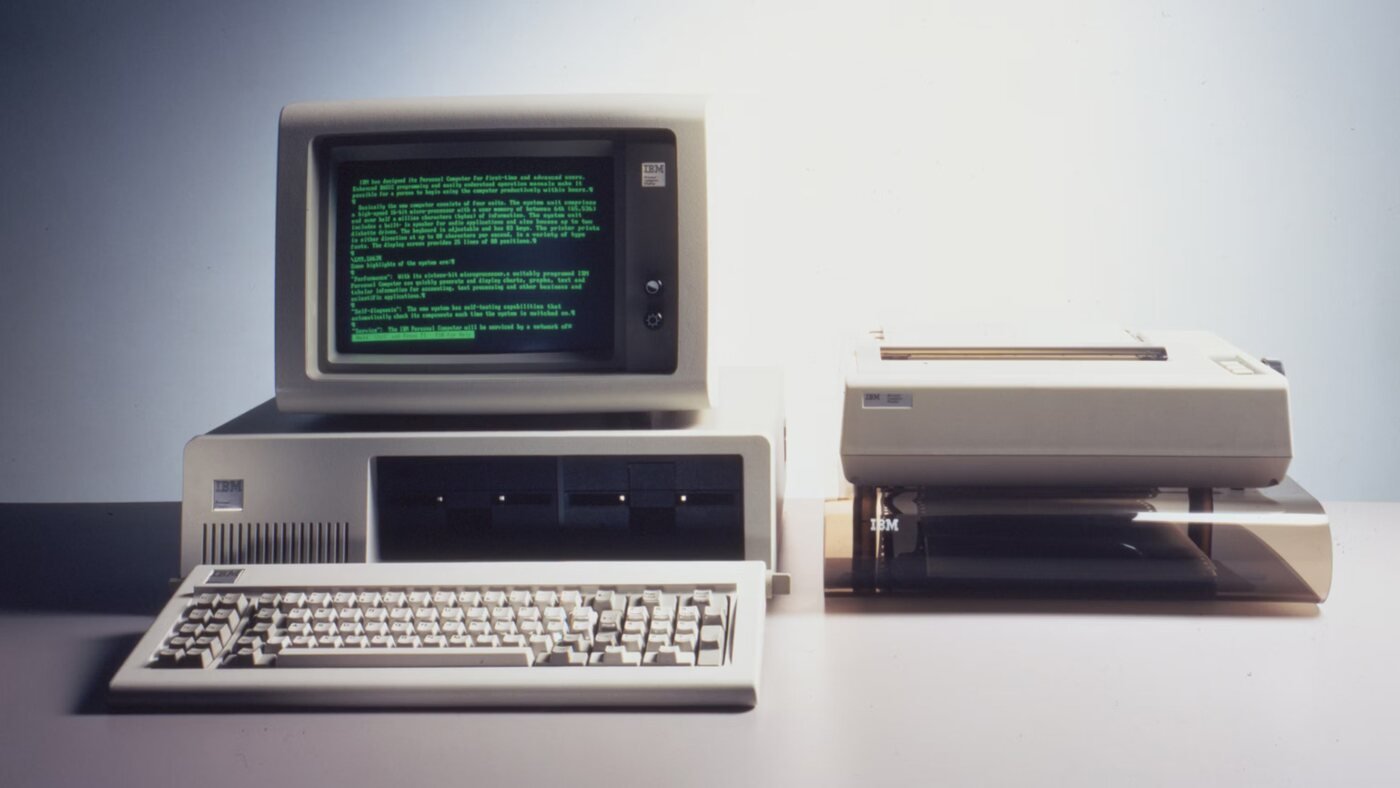
In 1985, ADAQ computerised all members records. Members received a ‘computer printout’ from the Branch membership file with their subscription notice and were asked to check their record for correct-ness (sic).
At the newly opened Christensen House, The Monthly Meeting of February 1983 saw ‘a record attendance’ as a Mr Jim Reilly spoke to ADAQ members on Computers and their Role in Dentistry. There was a ‘lively discussion’ on what the practitioner might seek ‘from computer technology beyond the relatively simple performance of office and accounting tasks. The particular value of being able to accumulate and analyse data concerning patients, disease patterns, treatment, etc, was emphasised. {…} Further food for thought was provided with a glimpse of dramatic changes we may soon see in our lives through the advent of home computers and related electronic technology’.
The University of Queensland offered regular courses on Computers in Dentistry: introductory courses for those without any knowledge or experience. The course ran for five days and included introduction to a programming language and how to write simple programs. Subjects covered: components of a computer system. Operating systems. General applications. Input and output devices. Program languages. Applications in dentistry. Fee was $300 in 1983.
Within private practices, the promise of computers still centred almost entirely on business advantages: computerised appointment books, electronic accounts, faster retrieval and recall, and the possibility of needing to employ… fewer dental assistants. Clinical dentistry itself, however, remained largely untouched by digital innovation. Computers were seen as office tools rather than instruments of diagnosis or treatment. This is reflected in CPD listings of those years, with implant failure centre stage and the emergence of whole-person dentistry concepts. ‘Implants? They do work!!’ was the title of an ‘enlightening’ seminar in 1983, which presented issues on patient selection and new research on bone augmentation.
Connectivity as cultural change
By the early 1990s, computers were a ubiquitous presence in Australian dental practices receptions. The ease of connectivity and record-keeping, coupled with new automated options for equipment start to reshape expectations about efficiency. Thus began a reshaping of expectations about efficiency demands in day-to-day practice and in all directions. Already struggling with the advent of stricter infection control requirements, older dentists experience much discomfort at this growing technological oversight and digital complexities.
Even before many practitioners had fully adopted CD-based resources, attention was turning to a new frontier: the Internet. In 1995, reporting on the 4th Annual Research Day at the University of Queensland, Dr Neil Savage observed how compact disc technology in the dental library was already becoming obsolete. Dr Savage noted that students and staff would soon be surfing the net, and highlighted online networks were now a necessary complement to dental research. Going beyond storage and visualisation tools, computers become gateways to shared knowledge; connectivity would define the next phase of digital progress in Australian dentistry.
Access to latest international trends and exposure to emerging technologies forms now part of dental education, laying groundwork for later adoption of digital in clinical systems.
Digital dental devices
The foundations laid in the 1990s enabled the rapid clinical digitalisation of dentistry in the early 21st century.
By the 2010s, computerised dentistry led from front desk to the dental chair, and through the laboratory and simulation classrooms.
R. van Noort’s 2012 paper The Future of Dental Devices is Digital, articulated well what practitioners now had at their disposal:
- Revolutionary CAD/CAM and additive manufacturing in prosthodontics.
- Additive manufacturing eliminates material waste and allows for complex geometries.
- Transitioning from closed to open CAD/CAM systems enhances flexibility in dental device manufacturing.
- Major advancements include intra-oral scanners capturing 20 3D data sets per second.
- Dental technology must adapt to digital advancements or risk obsolescence.
[reference: Noort, R. V. (2012). The future of dental devices is digital. Dental Materials. https://doi.org/10.1016/J.DENTAL.2011.10.014 ]
Conclusion: An Ongoing Digital Transformation
The history of computers in Australian dentistry is not one of sudden revolution, but gradual and sometimes resistant change. Computers entered the profession quietly—through membership databases and accounts software—before reshaping education, research, and eventually clinical care itself.
From ADAQ’s early administrative computerisation in 1985, through the tentative digital optimism of the 1990s, to today’s scanner-driven, digitally designed restorations, the profession has continually adapted. As history shows, each generation of dentists has had to renegotiate its relationship with technology—and the story remains unfinished.
From Punch Cards to Paperless: A Personal Computing Journey
I did a computing course in 1974 at high school in Fort Collins, Colorado, where the school had a link to the mainframe computer at IBM in Loveland, Colorado. About 50,000 people worked for IBM in Loveland, and many were parents at the school I went to: Poudre High School. That was how the school had access to a very powerful (for its day) computer. The programming was in BASIC. Then, in 1975, as a first-year BDSc undergraduate at UQ, I completed a couple of computer science units where we punched cards in the FORTRAN and COBOL languages. I had a Commodore 64 that I practised programming on and then went upmarket with a Sinclair computer.
In 1984, when I returned to Brisbane from the UK to do my postgraduate degree, I bought an IBM 186 computer. It was very advanced, with a 20MB hard drive and a 256KB floppy disk. It cost me $4,000 from memory, to which I added a dot matrix printer.
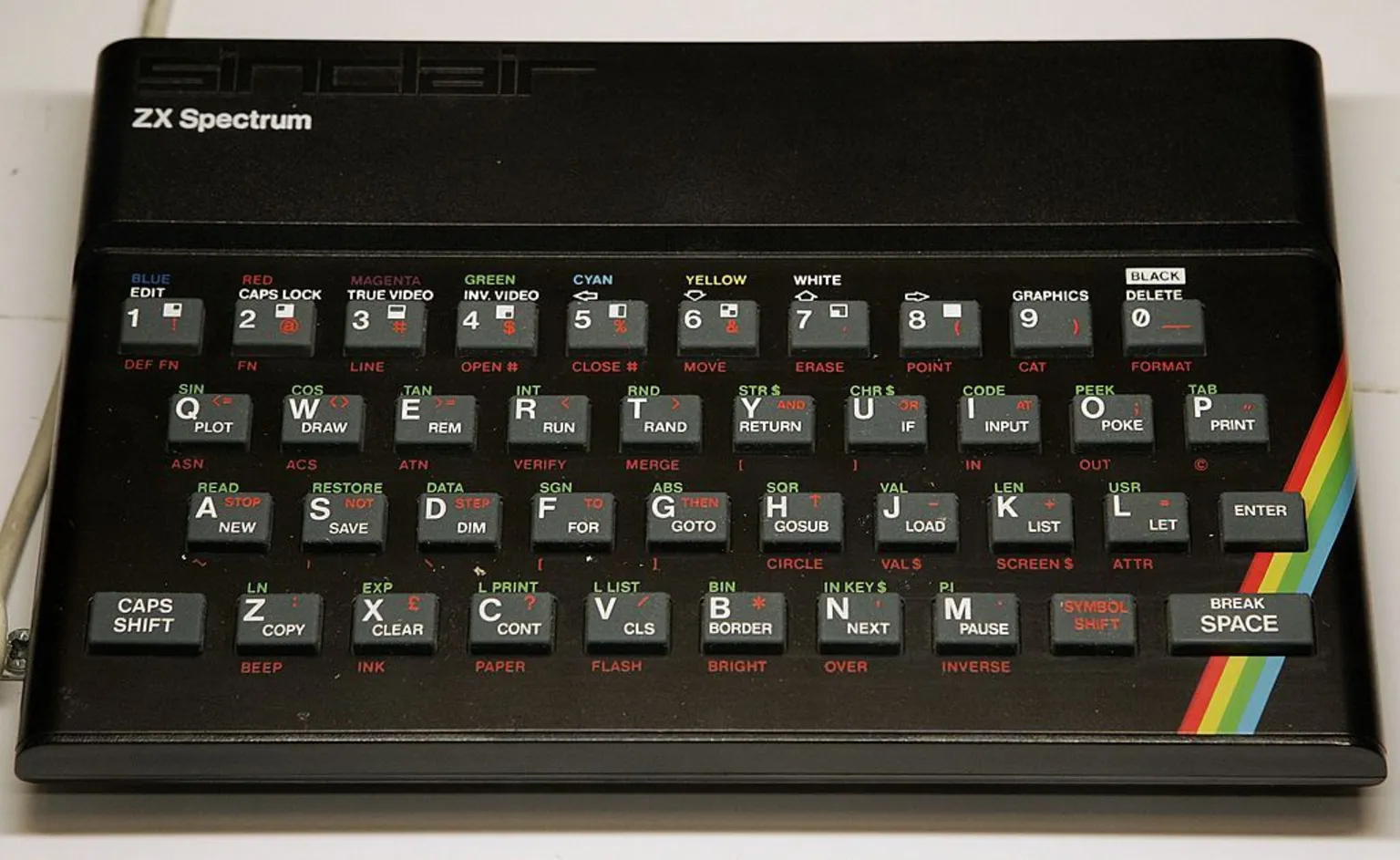
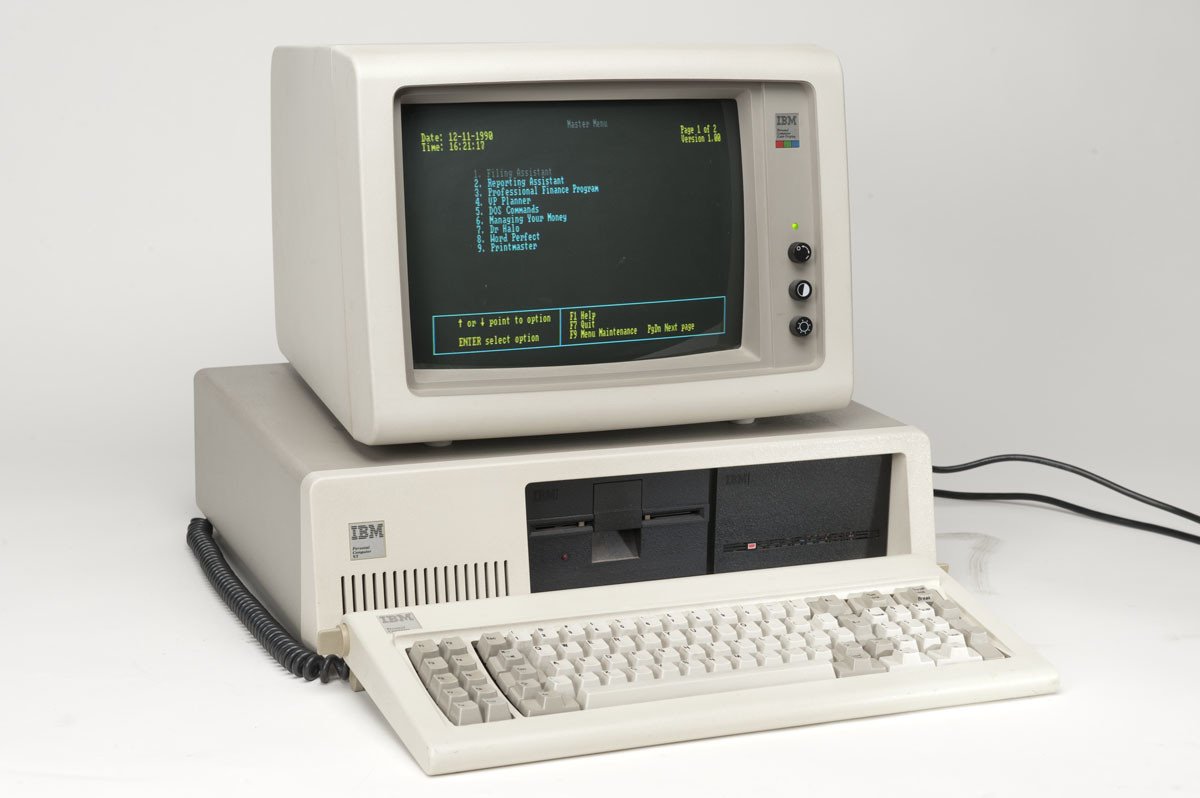
Prof Terry Freer ran a computer course for postgraduates called Computers in Dental Research. In the first seminar, he introduced ASCII keys. It was very basic computer knowledge that he was espousing. It was supposed to go for 13 weeks, but I completed all of the exercises he had intended to give us over the 13 weeks on the first night. He was a little miffed. It was really about how to use the computer as a glorified typewriter. There was no such thing as Word. The word processor in DOS was very basic.
When I graduated, I used the computer in my practice from 1988 with a program developed by Des Dwyer (who was also a dentist) for running the financial side of the business. It was called TIE: The Incisal Edge, and was a DOS program. Des eventually sold it to another man, Trevor (I don't recall his surname), who developed it for use with Windows. I used it until 2017, when I ditched the paper files and went completely digital, which was the best thing I ever did. It is odd that I was such a slow adopter of digital records, but I think that was because I was comfortable with the systems we had in place. It was my staff who insisted on going digital because they were over getting the cards out for each day.
In 1989, I gave a presentation to the Prosthodontic Society using a computer. I was the first to do this, and I recall everyone thought I was very brave because it might fail. I hired a data projector for $800 for the night. I borrowed my brother-in-law's laptop. It was the size of three bricks, and he used it in his work. There was no PowerPoint. I got the slides with words on them prepared using a program called Harvard Graphics. It was so much better and cheaper than getting photographic slides printed. I had to get all of my photographic slides prepared in a digital format, and that was expensive. The presentation would have been quite primitive, but it went over a treat — not because of the content, but because I was using a computer.
After the 186, I bought 286, 386, and 486 computers until Windows was released. That was a game changer. It was wonderful using colour and so easy to add pictures. Word, Excel, Access, and PowerPoint changed the computing world. Apple was struggling, and everyone thought it was going to fold, but then they rehired Steve Jobs, who was the business brain, and the rest is history.
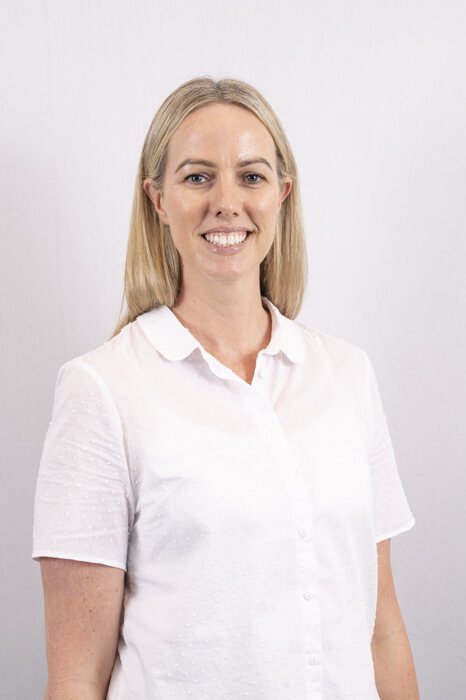
Meet Larissa — Manager, ADAQ Compliance & Advisory Services
What is your role at ADAQ?
I’m the Manager of the ADAQ Compliance & Advisory Services team.
What is a typical day in the life of your role?
No two days are the same—which is exactly what makes the role so interesting and rewarding.
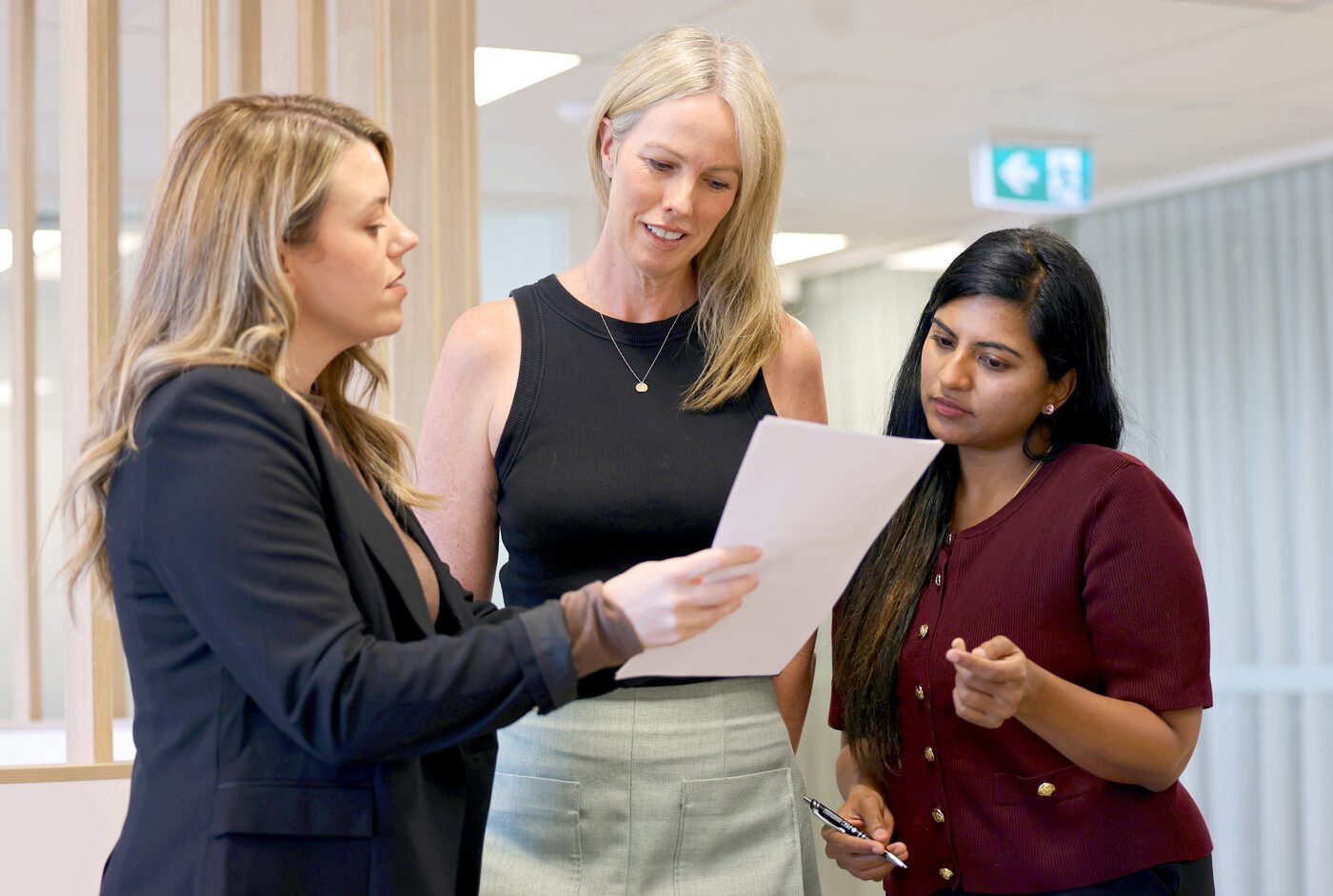
I work closely with the CEO and Managers across ADAQ on both strategic and operational priorities. Day-to-day, I support our Compliance & Advisory team and assist members with support and guidance to ensure they are informed, confident and well-equipped in their practice.
Our team provides tailored advice and support to members on their regulatory obligations. We also manage professional indemnity insurance matters in-house, assist with patient complaints, and guide members through regulatory notifications, including those involving Ahpra and the OHO.
At the heart of what we do is helping members feel supported and informed—especially during challenging situations.

How long have you been with ADAQ?
I joined ADAQ at the end of 2019 as a Senior Member Adviser and have since progressed into managing the Compliance & Advisory team.
Favourite memory of your time at ADAQ so far?
There are plenty to choose from. ADAQ is a great team to be part of, but it’s the people themselves who have made my time here so memorable. A definite highlight is the office atmosphere, including the dogs who regularly come in and brighten everyone’s day.
Real Examples of Impact – What are some things that you’re proud of achieving in your time at ADAQ?
I’m most proud of the support we provide to members during some of their most difficult professional moments.
For example, we often assist members through Ahpra notifications, which is understandably stressful. Being able to guide someone through that entire process—offering clarity, reassurance, and practical support—is incredibly meaningful. Even when outcomes aren’t ideal, it’s rewarding to know members feel supported and come away with a better understanding or opportunity to learn. We often hear that directly from them, which reinforces the value of what we do.
What has changed most in your role/team during your time at ADAQ?
The ADAQ office was renovated. The new space is a place we really enjoy coming to each day.
What can members do to make the most of your support?
Get in touch! Whether you have a quick question or need more in-depth support, we’re here to help. Reaching out sooner rather than later means we can provide the best possible guidance when it matters most.